Resilience and sustainability
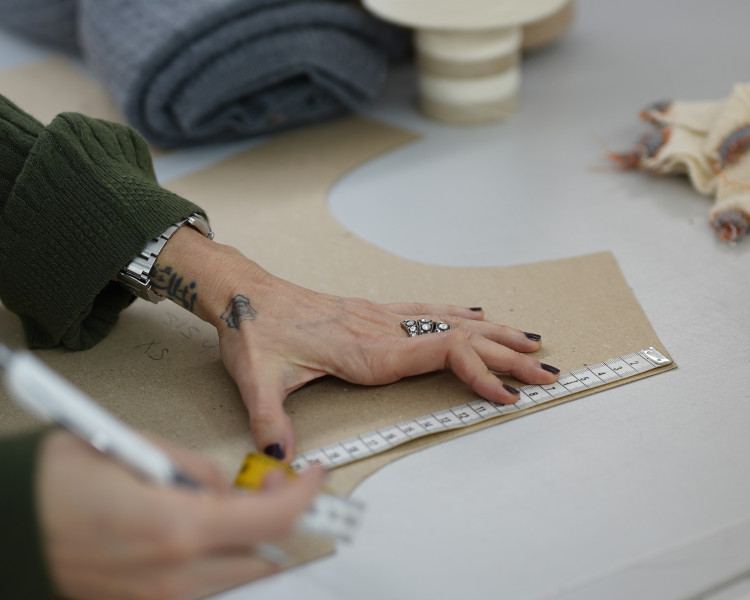
Knitwear production is a highly specialized field within the textile industry that requires both technical expertise and attention to detail. Today, fashion brands are not only focused on aesthetics but also on durability, comfort, and sustainability. For this reason, high-quality knitwear production depends on the combination of the right materials, advanced technology, skilled professionals, and well-structured quality control systems.
Choosing the Right Yarn
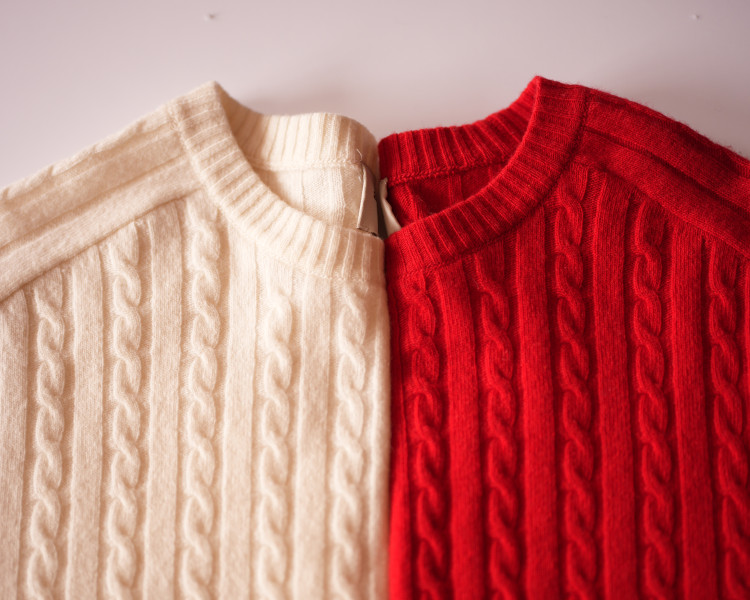
The foundation of any high-quality knitwear product lies in the yarn. The type and quality of yarn directly affect the garment’s softness, durability, color retention, and overall appearance. Common yarn types include cotton, wool, viscose, and synthetic blends, each selected based on the intended use of the product.
For brands targeting international markets, using high-quality and certified yarns is essential to maintaining brand credibility. Poor yarn selection can lead to issues such as pilling, deformation, and reduced product lifespan, ultimately affecting customer satisfaction.
Advanced Machinery and Production Technology
Modern knitwear manufacturing relies heavily on advanced machinery. High-performance knitting machines ensure precision, consistency, and efficiency throughout the production process. This is especially important for complex techniques such as jacquard knitwear, intarsia knitting and fully fashioned knitwear production.
With advanced technology:
- Production accuracy increases
- Error rates are minimized
- Consistent quality is maintained across batches
This level of precision is crucial for brands that require reliable and repeatable results.
Skilled and Experienced Team
No matter how advanced the technology is, human expertise remains a critical factor in ensuring quality. A skilled team can identify potential issues early and optimize production processes accordingly.
In knitwear production, professionals such as:
- Machine operators
- Designers
- Product development specialists
play a vital role in maintaining high standards. Their experience is particularly valuable during the sampling phase, where early adjustments can significantly reduce errors in mass production.
Quality Control Processes
One of the most important aspects of ensuring quality is implementing effective quality control systems. In knitwear production, quality control should not be limited to the final stage but applied throughout the entire process.
Key control stages include:
- Sample approval
- In-line production checks
- Final product inspection
These steps ensure that each product meets both technical specifications and visual standards. Strong quality control processes also reduce return rates and production costs, contributing to overall business efficiency.
The Role of Sustainability in Quality
Today, quality is no longer defined solely by the product itself. Sustainable knitwear production plays a crucial role in long-term quality perception. Using eco-friendly production methods, reducing waste, and optimizing resource use all contribute to both environmental responsibility and product longevity.
Consumers and brands increasingly value sustainability, making it an essential part of modern textile manufacturing.
Ensuring quality in knitwear production requires a holistic approach that combines the right yarn selection, advanced machinery, experienced professionals, and strict quality control systems. When these elements come together, brands can deliver products that meet high standards and build long-term customer trust.
Gonul Orme manages all these processes with precision, offering premium knitwear manufacturing solutions to both local and international brands. With a strong commitment to quality and innovation, the company continues to be a reliable partner in the global textile industry.